



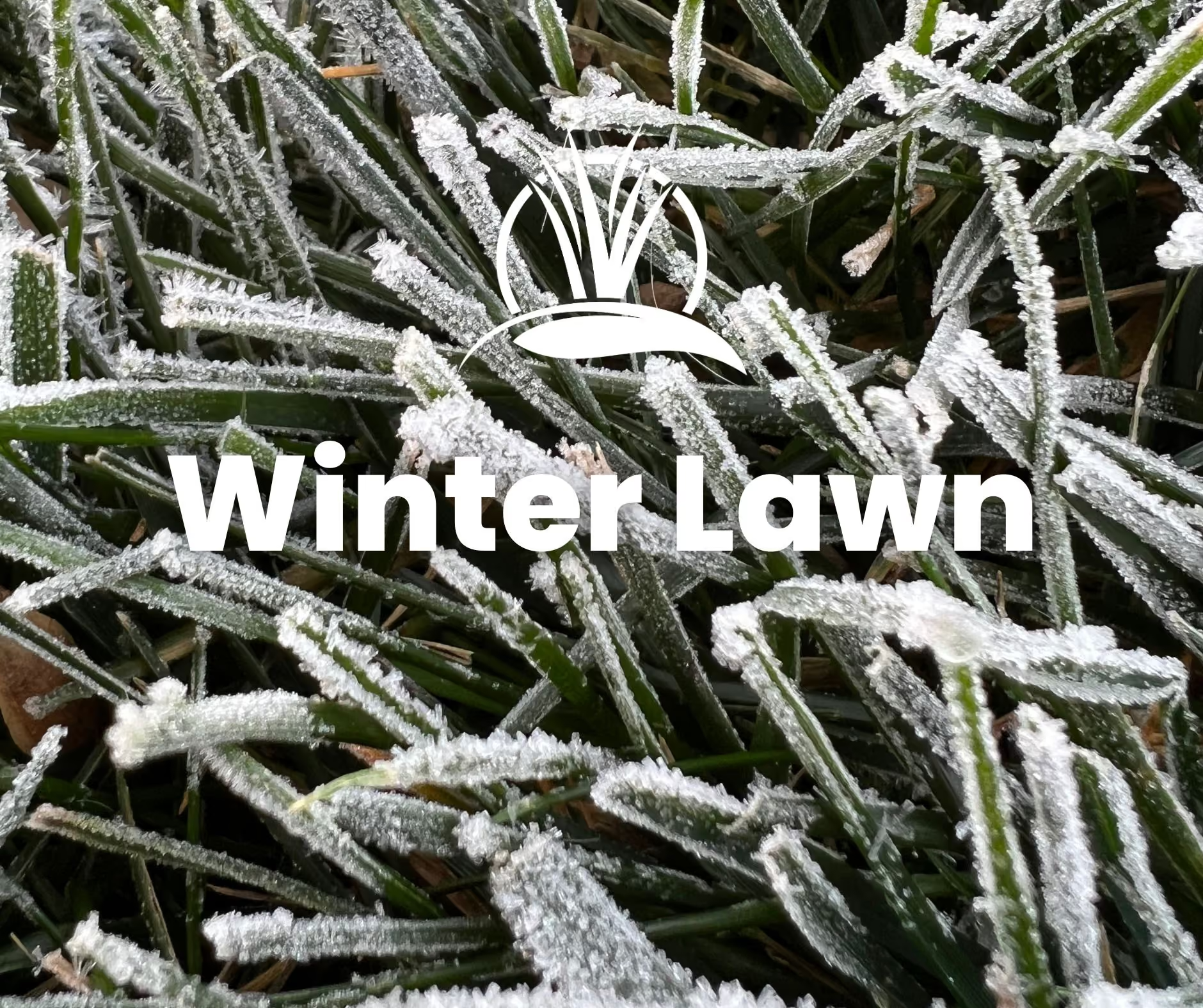
Your lawn isn’t dead. It’s resting, recovering, and preparing.
Most people look out at their brown, dormant turf in January and assume nothing’s happening. The grass looks lifeless. Growth has stopped. It’s easy to think lawn care season is over until March or April.
But here’s the truth: winter is actually one of the most important phases for spring success. What’s happening beneath the surface right now, what you protect (or damage) over the next few months, and the decisions you make in January will directly determine what you see when your lawn wakes up in April.
Cool-Season Grass Dormancy Explained
Here in Pennsylvania, we grow cool-season grasses: tall fescue, Kentucky bluegrass, perennial ryegrass, and fine fescue. These grasses naturally go dormant when soil temperatures drop below 50°F, which usually happens sometime in late November or early December.
Dormancy isn’t death. It’s a survival strategy.
When temperatures drop, the grass stops putting energy into growing new leaf blades and shifts its focus entirely underground. The crown (the growing point at the base of each plant) and the root system stay alive and active. They’re just working in slow motion.
Remember that late-season winterizer application we pushed so hard for in November? That wasn’t just fertilizer. It was fuel. The nitrogen from that treatment is being stored right now in the roots and crown as carbohydrate reserves. Think of it like a bear storing fat before hibernation. When spring arrives and soil temps climb back above 50°F, your grass will tap into those reserves and explode with growth.
Lawns that got a proper winterizer wake up 3-4 weeks earlier in spring, green up faster, and come back thicker than lawns that didn’t. The work you did in November is paying dividends right now, even though you can’t see it yet.
What’s Actually Happening Underground Right Now
Even though your lawn looks brown and lifeless, here’s what’s going on beneath the soil:
Root development continues when soil temps allow. Cool-season grass roots keep growing slowly as long as the soil stays above freezing. On warmer winter days (40s and 50s), roots are actively growing deeper and spreading wider. This is why lawns that were aerated in fall and have healthy soil wake up so much stronger in spring.
Soil biology and microbial activity stay active. Beneficial bacteria, fungi, and other soil microbes are still breaking down organic matter, cycling nutrients, and keeping your soil healthy. If you applied organic soil enhancers, humates, or compost in the fall, those amendments are being processed right now.
Lime and amendments are breaking down. If you had a soil test done in the fall and applied lime, sulfur, gypsum, or other amendments, winter is when they really go to work. These materials need time to react with the soil, and the freeze-thaw cycles actually help break them down and distribute them through the root zone. By spring, your soil pH and nutrient levels will be exactly where they need to be.
Roots still need moisture. This is the one people forget. Just because it’s cold doesn’t mean your lawn doesn’t need water. If we go weeks without rain or snow and the soil dries out, grass roots can suffer from desiccation (drying out). Dry soil going into winter means weaker turf in spring. If we have a particularly dry winter, a deep watering on a warmer day can make a big difference.
Crown hardening protects against freeze-thaw damage. The crown of each grass plant goes through a hardening process in late fall that helps it survive repeated freezing and thawing cycles. Lawns that got proper late-season fertility and weren’t stressed going into winter handle this process much better.
The Biggest Winter Threats to Avoid
Winter dormancy is natural and healthy, but there are some serious threats that can damage or even kill your turf if you’re not careful. Here’s what to watch out for:
1. Foot Traffic on Frozen or Muddy Grass
This is the big one. When grass blades are frozen, they’re brittle. Walking on frozen turf crushes the cell walls inside each blade, causing permanent damage. You’ll see brown footprints, tire tracks, or pet paths that stick around well into April or even May.
But frozen grass isn’t the only concern. Muddy conditions are just as damaging. When the ground is soft and saturated, foot traffic compacts the soil and crushes dormant grass crowns. Because the plants are dormant, they can’t recover from this damage until spring growth kicks in. Heavy traffic on muddy turf creates ruts, compaction, and dead zones that take months to repair.
The fix is simple: wait until conditions improve. Let frozen grass thaw and muddy areas dry out before allowing foot traffic. If you have to cross the lawn, stick to the same path every time to minimize the damage zone.
2. Salt Damage from Driveways and Walkways
Road salt, ice melt, and deicing products are brutal on turf. Sodium chloride pulls moisture out of grass plants and soil, essentially burning the edges of your lawn along driveways, sidewalks, and roads.
If you can, use calcium chloride or magnesium chloride-based ice melts instead of straight rock salt. Better yet, use sand for traction and skip the chemicals entirely on areas near your lawn.
3. Smothering from Leaves, Snow Piles, or Equipment
Anything sitting on your lawn for weeks or months will smother the grass underneath. Piles of leaves you didn’t clean up in fall, snow pushed off your driveway into one big pile, lawn furniture, grills, toys, hoses – all of it creates dead zones.
Do a quick walk around your property and clear off anything that’s been sitting there. Even a tarp or piece of plywood left for a month can kill the grass under it.
4. Desiccation from Cold, Dry Wind
Winter wind, especially when it’s cold and dry, pulls moisture out of grass crowns and roots. If the soil is already dry and there’s no snow cover to insulate the turf, this can cause serious damage.
The best protection? Make sure your lawn went into winter with adequate soil moisture. If we have a warm spell in January or February and the ground isn’t frozen, a deep watering can help recharge the soil.
5. Snow Mold
Snow mold is a fungal disease that shows up in late winter or early spring when snow starts to melt. You’ll see circular patches of matted, grayish, or pinkish grass. It happens when snow sits on unfrozen ground for long periods, creating the perfect environment for fungus to grow.
There’s not much you can do once snow is already on the ground, but proper fall lawn care (mowing at the right height, cleaning up leaves, avoiding excessive nitrogen late in the season) goes a long way toward preventing it. If you do see snow mold when the snow melts, rake out the matted areas gently to let air circulate and let the grass dry out.
What You Should Be Doing in January and February
Winter isn’t the time to just forget about your lawn until spring. There are a few smart moves you can make right now that will set you up for an incredible April:
Avoid walking on frosted, frozen, or muddy grass. We already covered this, but it’s worth repeating. Wait for the frost to melt and muddy areas to dry out before you walk, play, or let pets run on the lawn. Keep kids, pets, and contractors off the turf when conditions are wet and soft. Dormant grass can’t recover from traffic damage until spring growth begins.
Keep salt and ice melt away from lawn edges. Be strategic about where you apply deicing products. A little caution now saves a lot of repair work in spring.
Remove any objects left on the turf. Do a quick sweep of your yard and clear off anything that’s been sitting there for weeks.
Get a soil test done. January and February are actually the perfect time for soil testing. Here’s why: amendments like lime, sulfur, and gypsum take several months to fully react with your soil. If you test now and apply corrections in late winter or early spring, everything will be dialed in perfectly by the time your lawn breaks dormancy. You’ll know exactly what your soil needs (pH, calcium, magnesium, potassium, organic matter), and you can address deficiencies before the growing season even starts.
Plan your 2026 lawn care program now. Early enrollment often comes with benefits like priority scheduling, locked-in pricing, and first dibs on add-on services like aeration and overseeding. More importantly, it takes one thing off your plate. You know your lawn is handled, and you don’t have to scramble in March when everyone suddenly remembers they have a yard.
Why Fall Prep Matters So Much
Everything we’ve talked about so far depends on one thing: how well you prepared your lawn in the fall. This year’s success started last fall.
Lawns that got a proper winterizer in November have stored carbohydrate reserves fueling root growth right now. They’ll green up 3-4 weeks earlier than lawns that skipped it.
Lawns that were aerated in September have deeper, healthier root systems that can tap into soil moisture and nutrients more effectively all winter long.
Lawns that had soil amendments applied in fall are benefiting from those corrections right now as freeze-thaw cycles help distribute lime, sulfur, or gypsum through the root zone.
The work you did (or didn’t do) in October and November is directly impacting what’s happening underground today. And what’s happening underground today will show up loud and clear when April arrives.
Setting Up Your Best Spring Ever
Here’s the bottom line: January decisions lead to April results.
Winter isn’t downtime. It’s foundation time. What you protect now, what you plan now, and the small steps you take over the next 6-8 weeks will determine whether your lawn wakes up strong, thick, and green, or thin, patchy, and struggling.
Soil testing reveals exactly what your lawn needs – pH levels, nutrient deficiencies, organic matter content – so you can make precise corrections instead of guessing.
Early program enrollment means priority scheduling, no scrambling in March, and the peace of mind that comes with knowing your lawn is handled.
And here’s our honest advice about seeding: the best use of your investment is patience. Let us clean out the undesirables this spring and summer with targeted treatments, then seed in fall when it’ll be most successful. Fall seeding gives new grass the cool temperatures and consistent moisture it needs to establish strong roots before next winter. While early spring seeding can work as temperatures start to warm up, fall is always the optimal time for long-term results.
Most importantly: what’s happening underground right now will shock you in spring. Trust the process. Protect your turf. Plan ahead. Your lawn is resting and recovering right now so it can come back stronger than ever.
Questions About Winter Care or 2026 Programs?
If you want to get a soil test done or just talk through what your lawn needs for 2026, give us a call at (610) 350-7854.
We’ll walk your property, give you an honest assessment, and help you set up a plan that actually makes sense for where your lawn is right now.
Winter is when champions are built. Let’s make 2026 your best lawn year yet.
– The DTL Total Turf Care Team