



Lawn Mowing Best Practices & Equipment (2025 Guide)
In this homeowner guide, we cover how to mow, how to maintain your mower, and how the major brands compare—written for homeowners and pros alike.


Quick General Mowing Rules
Set the right height (by grass type) and never remove more than 1/3 of the blade per mow.
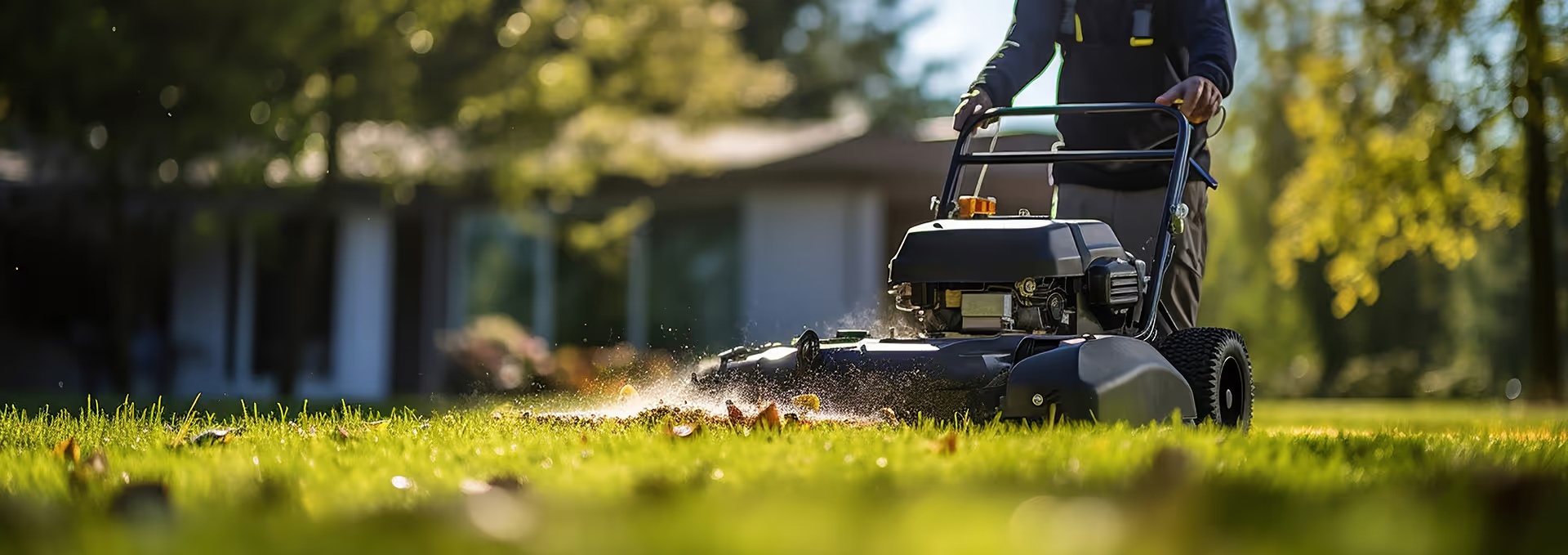
Mow when the turf is dry, vary your pattern, and mulch clippings to recycle nutrients.
Keep blades sharp; dull blades shred grass and stress plants. Disconnect spark plug (or remove battery) before service.
On slopes: go up and down, not across; keep kids away; never carry passengers on riders.
Set Your Mowing Height (by Grass Type)
Cool-Season Lawns
- Kentucky bluegrass / hybrid bluegrass: 2"–3.5"
- Tall fescue: 2.5"–4"
- Fine fescue: 2.5"–unmowed (often left taller in shade)
Warm-Season Lawns
- Common bermudagrass: 1.5"–3"
- Hybrid bermudagrass: 1"–2.5"
- Zoysiagrass (coarse): 1"–2.5"; (fine): 1"–2"
- St. Augustinegrass: 2.5"–4"
- Centipedegrass: 1.5"–2"
Texas A&M AgriLife Extension Service
Frequency rule: mow by growth, not by calendar—do not cut more than 1/3 of the leaf at a time.
Texas A&M AgriLife Extension Service ohioline.osu.edu
Technique: How to Mow for Health & Appearance
Mow dry to avoid clumping and disease spread; avoid peak mid-day heat.
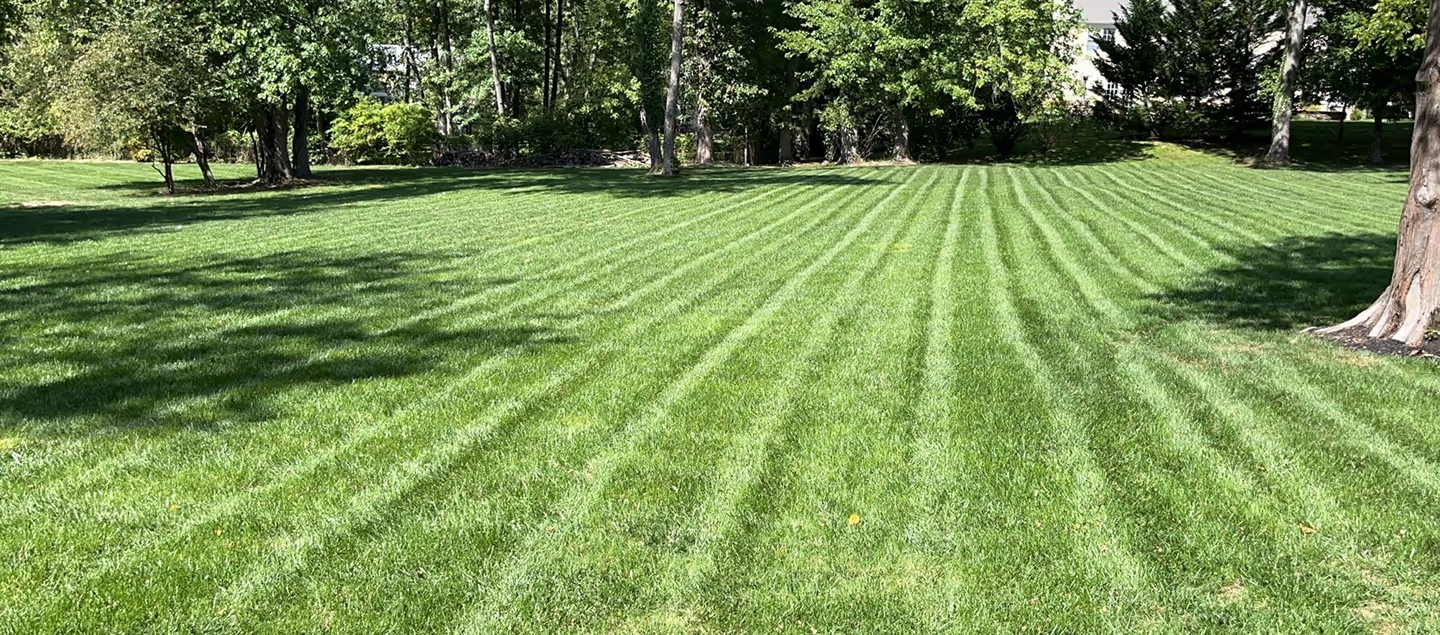
Alternate patterns (north–south, then east–west) to reduce wheel ruts and grain. (Best practice consolidated from turf programs.)
Edge/trim first, then mow; overlap passes slightly for a uniform cut.
Leave clippings (mulch) when possible—clippings typically contain ~2–4% nitrogen and can reduce fertilizer needs when evenly dispersed. Don’t leave windrows; sweep clippings off hardscape back onto turf.
When NOT to mulch: if clippings contain weed seedheads or the lawn is diseased—bag and remove until issues resolve.
Slopes: with walk-behinds or riders, mow up and down (not across), avoid sharp turns, and back straight down if needed.
Safety Essentials (Always)
Children: keep off the lawn while mowing; no passengers on riders.
PPE: eye protection, ear protection, sturdy closed-toe footwear, long pants, long sleeve shirt; avoid distractions.
Service lockout: disconnect spark plug (gas) or remove battery (electric) before flipping the mower or removing blades.
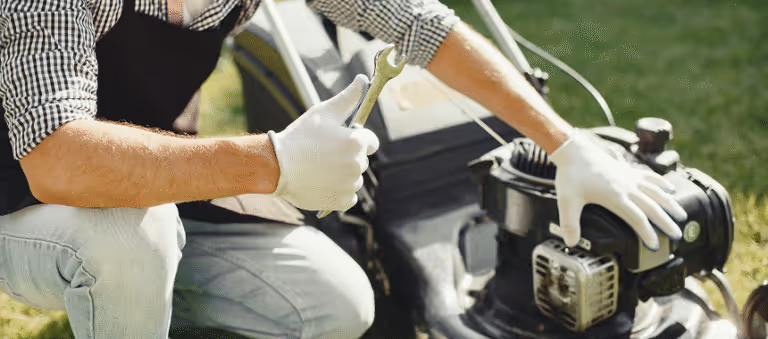
Maintenance: Simple Schedule That Works
Before each mow: check deck height, remove debris, verify blade stop/brake works.
Every 10–25 mowing hours (or at least each season): sharpen blades; dull blades shred tips and invite stress. Many pros target ~20–25 hours.
Seasonally: change/clean air filter, inspect drive belts, change oil per engine spec (gas), clean deck underside, balance/replace blades as needed. (Follow your OEM manual.)
Battery care: store packs at recommended charge, keep vents clean; expect reduced runtime in heavy mulching or tall/wet grass. (Typical note from battery OEMs.)
Equipment Primer (Types & When to Choose)
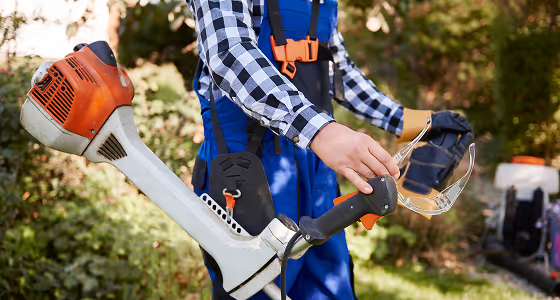
Cutting Mechanics
Rotary (most common): versatile; handles taller grass, leaves.
Reel (manual or powered): supreme finish at low heights (fine turf), but needs frequent mowing and flat lawns
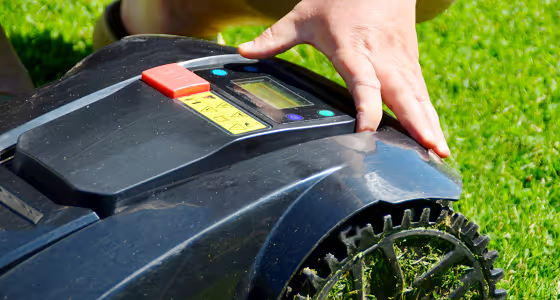
Power
Battery (cordless): quiet, low routine maintenance, zero on-site emissions; runtime depends on battery capacity and conditions. Independent tests regularly rank modern battery mowers highly.
Gas: long runtime and quick refuel; more maintenance and emissions (EPA notes small engines contribute materially to non-road emissions).
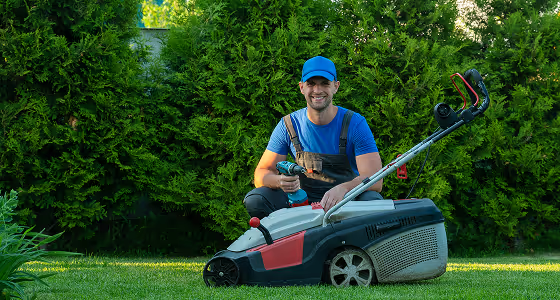
Formats
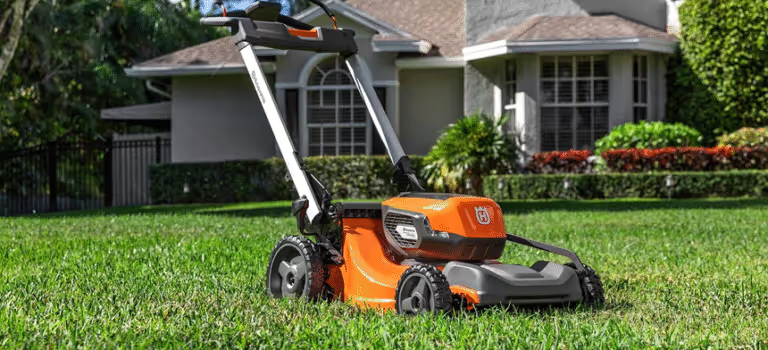
Walk-behind: best under ~½ acre; self-propel eases hills.
Riding lawn tractor: lawns ~½–2 acres with mixed tasks (towing).
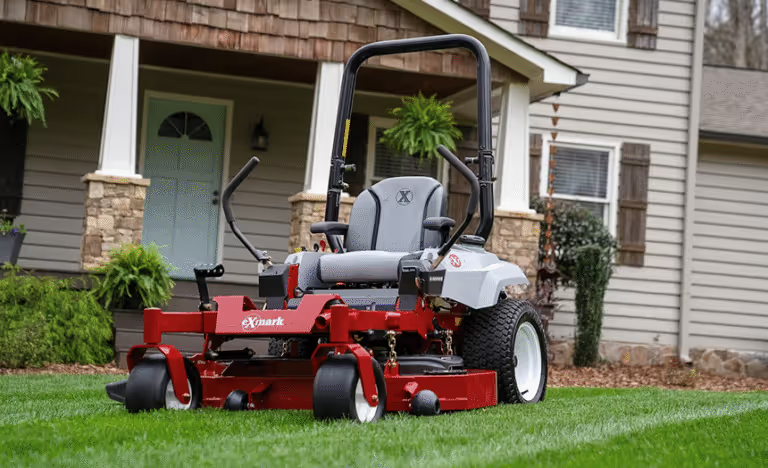
Zero-turn (ZTR): fastest around obstacles on larger areas; mind slope safety.
Stand-on: compact, agile for gated/complex sites (pro crews).
Robotic mowers: frequent micro-cuts, excellent turf health if set up correctly. Husqvarna’s Automower line is the market benchmark guide. Husqvarna
How to Choose (3-Step Decision)
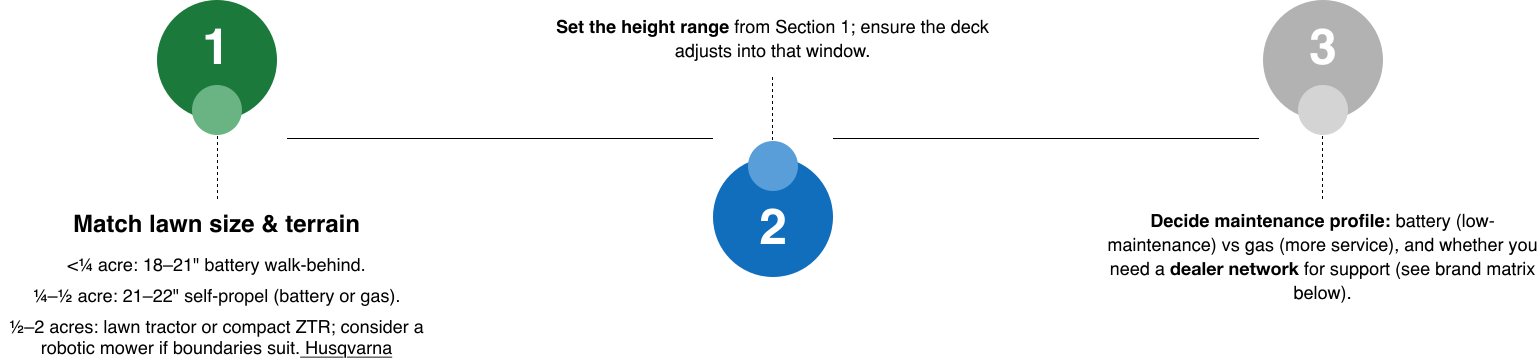
Comparative Study of Major Lawn-Mower Brands (North America, 2025)
thetorocompany.com
Green Industry Pros
Independent testing snapshot: 2025 roundups from Consumer Reports show multiple battery walk-behinds from brands like Ryobi, Stihl, Skil, Greenworks, Kobalt, Atlas among top-rated options—evidence that cordless now competes directly with gas for many yards. Consumer Reports
Brand Notes (What Stands Out)
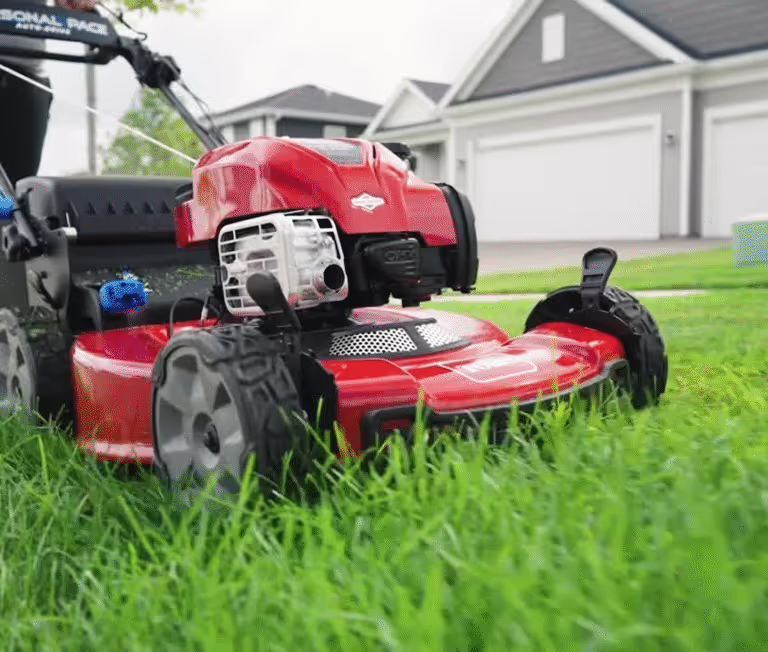
Toro: Well-regarded mulching (Recycler/Super Recycler) and “Personal Pace” drive; broad gas and 60V battery lines.
EGO (Chervon): Market-leading battery ecosystem (walk-behind and Z6 ZTR); wide retail + dealer access (incl. JD dealers).
Husqvarna: If you’re robo-curious, Automower is the reference playbook (models by yard size, support, and installation guidance).Husqvarna
John Deere: Lawn tractors with clear trim levels (S100 vs S200 differences like steering spindle bearings); de
Ariens/Gravely: Ariens targets acreage homeowners; Gravely targets pros (stand-on and ZTRs, fabricated decks).
Ferris: Unique independent suspension enables faster cutting with comfort while maintaining cut consistency.ferrismowers.com
Greenworks (Globe Tools) & Ryobi (TTI): Strong value in cordless; huge retail footprints and battery tool ecosystems.Greenworks Tools UKTechtronic Industries
MTD/SBD stable (Cub Cadet, Troy-Bilt, Craftsman, Robomow): Massive distribution and range; Cub Cadet often brings higher-spec components in big-box tiers; Robomow adds robotic know-how.
Honda (legacy): Outstanding engines/cut, but don’t plan a new purchase—production ended 2023.
Model Picking Examples (Not endorsements—fit examples)
Town lot (~0.2 acre, cool-season): 21" battery self-propel with dual batteries; set to 3–3.5"; mulch clippings.
1 acre with trees/beds: Compact ZTR (42–48") or lawn tractor; bag in spring if chasing pristine look, mulch otherwise.
Hilly backyard: Self-propel walk-behind; mow up/down slope; consider stand-on/ZTR only if slopes are within manufacturer limits.
Travel a lot: Robotic mower with boundary wire or RTK (where available); schedule high-frequency micro-cuts.Husqvarna
Frequently Asked Questions
Mulched clippings can supply a meaningful share of N (often cited around ~25% of annual needs when consistently recycled), reducing fertilizer inputs—spread evenly and avoid windrows.
For most sub-½-acre lawns, battery now matches gas performance with far less maintenance and noise; runtime depends on grass height, moisture, and whether you mulch. Independent testing in 2025 shows many battery models among the top picks.
When tips look torn or after roughly 20–25 hours of mowing is a practical rule of thumb; always lock out power first.
Use the table in Section 1 and the 1/3 rule—it protects roots and reduces weed pressure.
Final Tips for a Pro-Looking Lawn
Set it and forget it: pick the right height, stick to it, and mow per the 1/3 rule. Mulch most of the time; bag only when needed.
Keep blades sharp and service safely.
Match the machine to the lawn—size, terrain, and support network matter more than brand hype. (Use the matrix above.)

Mowing heights by species, the 1/3 rule, clippings, maintenance & timing. Texas A&M AgriLife Extension Service

The 1/3 rule for mowing frequency. ohioline.osu.edu

Extension Mowing basics & maintenance (incl. <disconnect spark plug / remove battery before blade work). Illinois Extension+1


Lawn mower safety guidelines for walk-behind, riding, and slope operation. U.S. Consumer Product Safety Commission+1


guide. Husqvarna


Looking For Premier Lawn Care Services?
We take care of hundreds of lawns in southeastern Pennsylvania. Contact us to schedule a property assessment with our agronomy team.