



Lawn Diseases in Southeast PA & Northern DE Guide
This guide will give you clear references on identifying, preventing, and treating turfgrass diseases for cool-season lawns.


Regional Context
Grass Types Dominant in SE PA & North DE:
Kentucky bluegrass
Perennial ryegrass
Tall fescue
Fine fescues (in shade)
Climate Factors:
Humid summers with high dew points favor fungal diseases.
Cool, wet springs and falls also promote leaf spot, red thread, and rust.
Clay soils in PA hold moisture longer, while sandy soils in coastal DE drain quickly—both can stress lawns differently.
.avif)
Major Lawn Diseases in the Region
Brown Patch (Rhizoctonia solani)
- Conditions: Hot, humid nights (>65°F, often July-August).
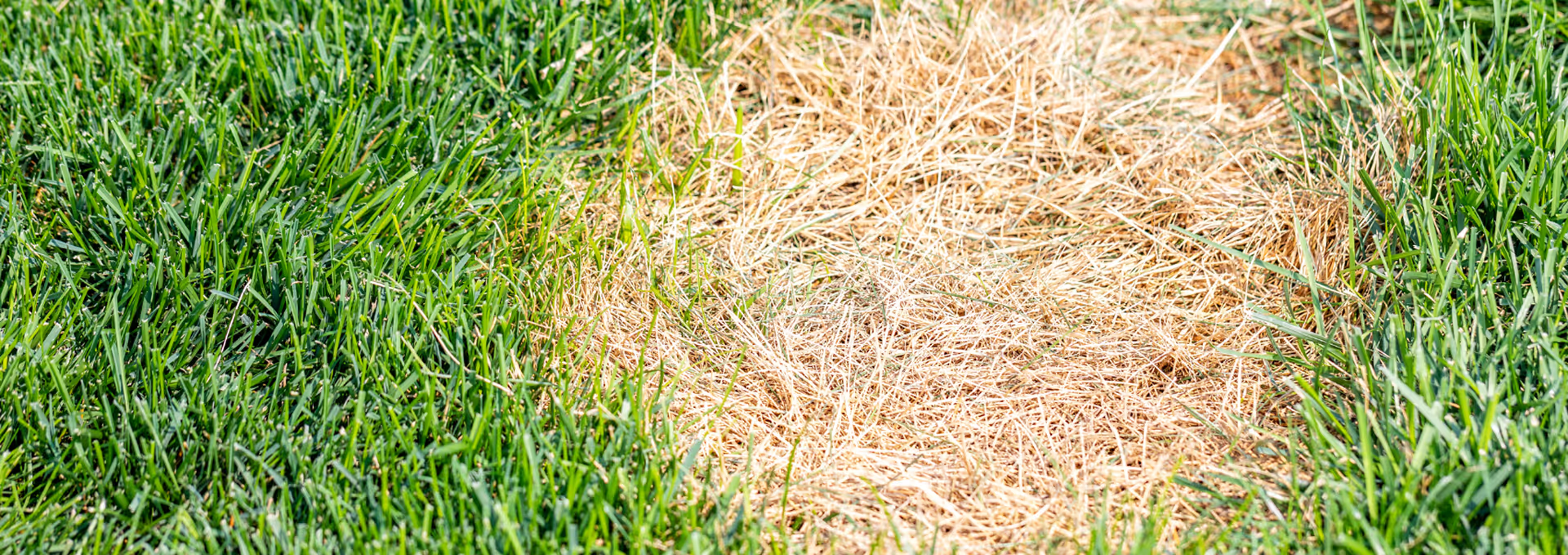
- Symptoms: Circular brown patches (6-36" wide); leaf lesions with tan centers and dark borders; "smoke rings" in early morning dew.
- Prevention: Avoid excessive nitrogen in summer; water deeply but infrequently, in the morning; mow tall fescue at 3.5-4.5".
- Treatment: Fungicides with azoxystrobin, propiconazole, or other fungicides ifsevere.
Dollar Spot (Clarireedia jacksonii & related spp.)
- Conditions: Moderate temps (60-85°F), low nitrogen, heavy dew.
- Symptoms: Small bleached spots (silver-dollar-sized); lesions with reddish- brown margins.
- Prevention: Maintain steady nitrogen fertility; mow regularly; irrigate early in the day.
- Treatment: Fungicides with chlorothalonil, thiophanate-methyl, or propiconazole
Quick Differentiation Table Brown Patch vs Dollar Spot
Red Thread (Laetisaria fuciformis)
Conditions: Cool (60-75°F), humid spring and fall; often in under-fertilized lawns.
Symptoms: Pink to red "threads" growing from leaf tips; irregular patches of thinned turf.
Prevention: Balanced fertility (especially nitrogen); improve air circulation and sunlight.
Treatment: Usually recovers with fertilization; fungicides are seldom needed.
Rust Diseases (Puccinia spp.)
Conditions: Warm days, cool nights, low fertility.
Symptoms: Orange "rust" spores rub off on shoes and mowers; leaves yellow and thin.
Prevention: Proper fertilization and mowing; reduce shade; irrigate deeply.
Treatment: Usually cosmetic; fungicides are rarely required.
Snow Mold (Gray = Typhula spp.; Pink = Microdochium nivale)
Conditions: Winter under prolonged snow cover (gray) or cool, wet late fall/early spring (pink).
Symptoms: Matted, circular patches of gray-white or pink mycelium visible in spring.
Prevention: Avoid excessive late-fall nitrogen; mow until growth stops; rake debris before snow.
Treatment: Fungicides applied in late fall in high-risk lawns.
Summary Table: Red Thread vs Rust vs Snow Mold
Leaf Spot / Melting Out (Bipolaris, Drechslera, Curvulariaspp.)
Conditions: Cool, wet weather in spring; worsens in summer stress.
Symptoms: Purple-to-brown lesions with tan centers; severe cases thin turf from the crown out ("melting out").
Prevention: Avoid mowing too low; water in the mornings; aerate compacted soils.
Treatment: Fungicides containing azoxystrobin, iprodione, or thiophanate-methyl are used when the condition is persistent.
Pythium Blight (Pythium aphanidermatum)
Conditions: Very hot, humid weather; overwatering; poor drainage.
Symptoms: Greasy, water-soaked patches that collapse; cottony growth in dew.
Prevention: Improve drainage; avoid overwatering; increase mowing height.
Treatment: Preventive fungicides (mefenoxam, propamocarb); quick action is essential.

Integrated Disease Management (IDM)
Grass Types Dominant in SE PA & North DE:
- Mow correctly: 3–4" for tall fescue/bluegrass; follow the ⅓ rule.
- Water deeply & early: 1–1.5" per week, morning only.
- Aerate compacted soils: Improves root growth and drainage.
- Balance fertility: Test soil; avoid excess spring nitrogen but maintain consistent feeding.
- Reduce thatch: Dethatch if it exceeds ½ inch
Chemical Practices (last resort):
- Use fungicides preventively when disease pressure is high.
- Rotate active ingredients to prevent resistance.
- Follow label instructions—homeowner products often combine multiple modes of action.
Seasonal Disease Calendar (SE PA & North DE)
Quick Reference: When to Call a Professional
Disease covers more than 25% of the lawn despite cultural fixes.
A recurring brown patch or dollar spot appears year after year.
Severe Pythium blight — spreads too fast for homeowner fungicides.
Need for preventive fungicide programs in high-value lawns.
Key Takeaways
Most lawn diseases in SE PA & North DE are fungal and linked to moisture + stress.
Prevention = proper mowing, watering, fertilization, and aeration.
Fungicides are a backup, not a substitute for good cultural care
Local universities (Penn State & University of Delaware Extensions) provide regional disease alerts and recommended fungicide lists.
FAQ: Lawn Diseases in SE Pennsylvania & North Delaware
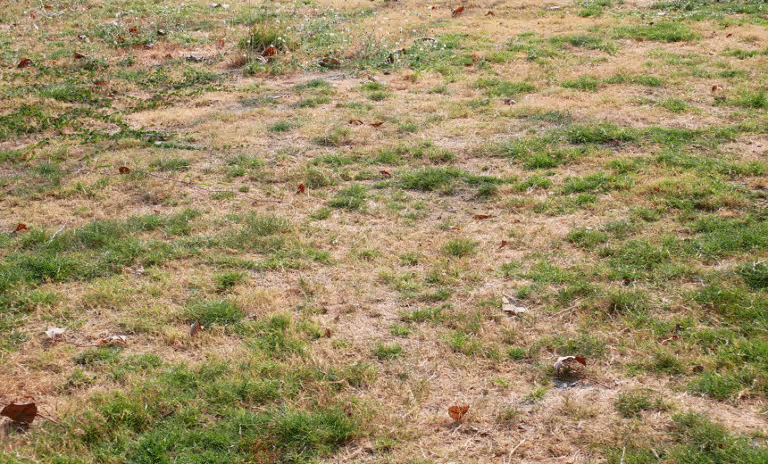
Drought stress usually affects entire areas evenly, with grass turning bluish-gray and footprints remaining visible.
Diseases often show patches, spots, or colored fungal growth (pink threads, orange rust, cottony mold).
Yes. Many issues like red thread, rust, and dollar spot improve with better cultural care—proper mowing height, balanced fertilization, and deep morning watering. Fungicides are reserved for persistent or severe cases (e.g., brown patch or Pythium blight).
- If >25% of your lawn is affected,
- If you see fast-spreading patches (like Pythium blight), or
- If your lawn shows repeated seasonal disease outbreaks despite good care.
Yes. Many issues like red thread, rust, and dollar spot improve with better cultural care—proper mowing height, balanced fertilization, and deep morning watering. Fungicides are reserved for persistent or severe cases (e.g., brown patch or Pythium blight).
Usually, no clippings return nutrients. But if you see heavy fungal growth (e.g., mycelium, rust spores, or snow mold), bagging temporarily can reduce spore spread. Resume mulching once conditions improve.
Sources





Looking For Premier Lawn Care Services?
We take care of hundreds of lawns in southeastern Pennsylvania. Contact us to schedule a property assessment with our agronomy team.